
Carbondale Court Docket Searches
Read the heading and address on the Carbondale paper first. A citation from the Town of Carbondale or its police department belongs to the municipal record channel. Paper marked District Court, Garfield County or County Court, Garfield County belongs to the Colorado Judicial Branch. That split matters. The official Garfield-filtered Docket Search is a state hearing calendar. It does not reliably include Carbondale ordinance files.
Work from the details already printed on the citation. Keep the exact name close at hand. Keep the citation or case number too. Note the issue date, the alleged violation, and the court date. The town publishes no search form with those fields. So do not guess at a format or assume a name-only web search will work for a docket search.
- Read the court name, issuer, address, and case or citation number on the notice.
- For a Carbondale municipal matter, begin with the official Town or Police contact and ask for the current court clerk channel.
- For a state matter, search the Garfield County location and date range on the Judicial Branch docket.
- If a calendar entry is not enough, request the Register of Action, called an ROA, or the exact filed document.
- Confirm the current date, place, and appearance method with the clerk before court.
When Carbondale Records Are Not Online
The absence of a Carbondale municipal case-search page is itself useful. It tells you the citation and direct local contact are the real path. This is not some third-party name index. Start at the Carbondale Police Department page, the official hub for citation questions. Ask which office now keeps the municipal case file. Ask how a record request should be sent, whether identification is required, and what the current copy fee is.
If the contact has changed, use care. Rely on the official Town of Carbondale website rather than a commercial record site. Give staff the citation number and date so the request can be routed quickly. One caution applies. A missing web result does not mean the Carbondale case was dismissed, sealed, or never filed. The municipal clerk may simply not publish a searchable docket.
Best fallback: use the court name on the Carbondale citation, contact that office directly, and ask for the setting or municipal case record by citation number.
Inside the Carbondale Municipal Court
The Carbondale municipal court hears only town ordinance and municipal citation matters. It does not absorb every case that starts inside town limits. A municipal-code Carbondale ticket can stay local. A state-law citation may instead be filed in Garfield County Court. Felonies and general civil suits bypass the municipal level entirely. They go to Garfield County District Court or another proper state division.
The court posts no confirmed list of its judge, clerk, or session hours. No fee schedule or dedicated URL appears either. Confirm those Carbondale facts through the official town contact before any visit or record order. That habit spares you stale directions. It also matches how access here actually works. Identify the issuer first. Then go to the office that holds that specific court record.
| Paper names | Likely record keeper | Search route |
|---|---|---|
| Town of Carbondale or municipal code | Carbondale municipal clerk channel | Citation plus official Town or Police contact |
| County Court, Garfield County | Garfield Combined Courts Clerk | State docket, then ROA request if needed |
| District Court, Garfield County | Garfield Combined Courts Clerk | State docket and clerk document request |
Both routes can describe events in the same town. Even so, the Carbondale court record stays with the authority that filed the charge.
Start a Carbondale Record Search
The citation is the best routing tool. It names the court and usually supplies the strongest Carbondale search key. A shared last name, or one entered in several forms, can pull false matches. A citation or case number avoids spacing and suffix problems. Treat the printed date as a second check. That date is not proof the matter is still set for that time.
State docket results can show a lot. Expect a date, time, estimated length, name, case number, hearing type, location, appearance type, and courtroom. Count case numbers rather than name rows, since one state case can appear more than once. For a Carbondale municipal file, ask staff what the local record actually contains. Do not assume it matches those state calendar fields.
- Citation number
- The identifier printed by the issuing agency and the best first key for a local inquiry.
- Case number
- The court-assigned number used to track filings, settings, and the final result.
- Register of Action
- The chronological state-court summary of filings, minute orders, settings, charges, and outcomes.
- Setting
- A scheduled court event, not proof that the event occurred or that the case ended.
Finding Carbondale Court Dates
For a Carbondale municipal date, the citation and the current municipal contact control. The town publishes no official public calendar. Call before relying on an old notice. Do this especially if the matter was reset. For a state case, open the Judicial Branch calendar and pick Garfield County or Garfield County-Rifle as the location shown on the notice. Compare the complete entry.
A blank appearance field is not permission to appear by phone or video. The latest signed Carbondale notice or direct clerk instruction controls. If the web calendar and a paper notice conflict, contact the named court at once. And never read a vanished Carbondale entry as a dismissal.
| Date | The current scheduled day, which can change after a reset. |
|---|---|
| Time | The start time for the call or individual setting shown by the court. |
| Location | The Carbondale municipal venue or Garfield state-court location named on the notice. |
| Appearance | In person, telephone, or another method only when the court expressly states it. |
| Setting type | The event purpose, such as first appearance, plea, status conference, or trial. |
Note: Recheck the Carbondale court date near the hearing, because a saved calendar or citation can predate a continuance.
Carbondale Court Records by Context
Carbondale sits third among Garfield County's incorporated places on the 2020 Census list. These city profiles come next on it. Its size does not add up to one countywide municipal docket. Each town keeps its own court records. Ordinance cases filed in Carbondale stay separate from municipal files in Rifle, Glenwood Springs, New Castle, and Silt. State-level cases live under the Judicial Branch instead. The U.S. Census Bureau's decennial data source supplies the population figures. Those figures give Carbondale its place on that list.
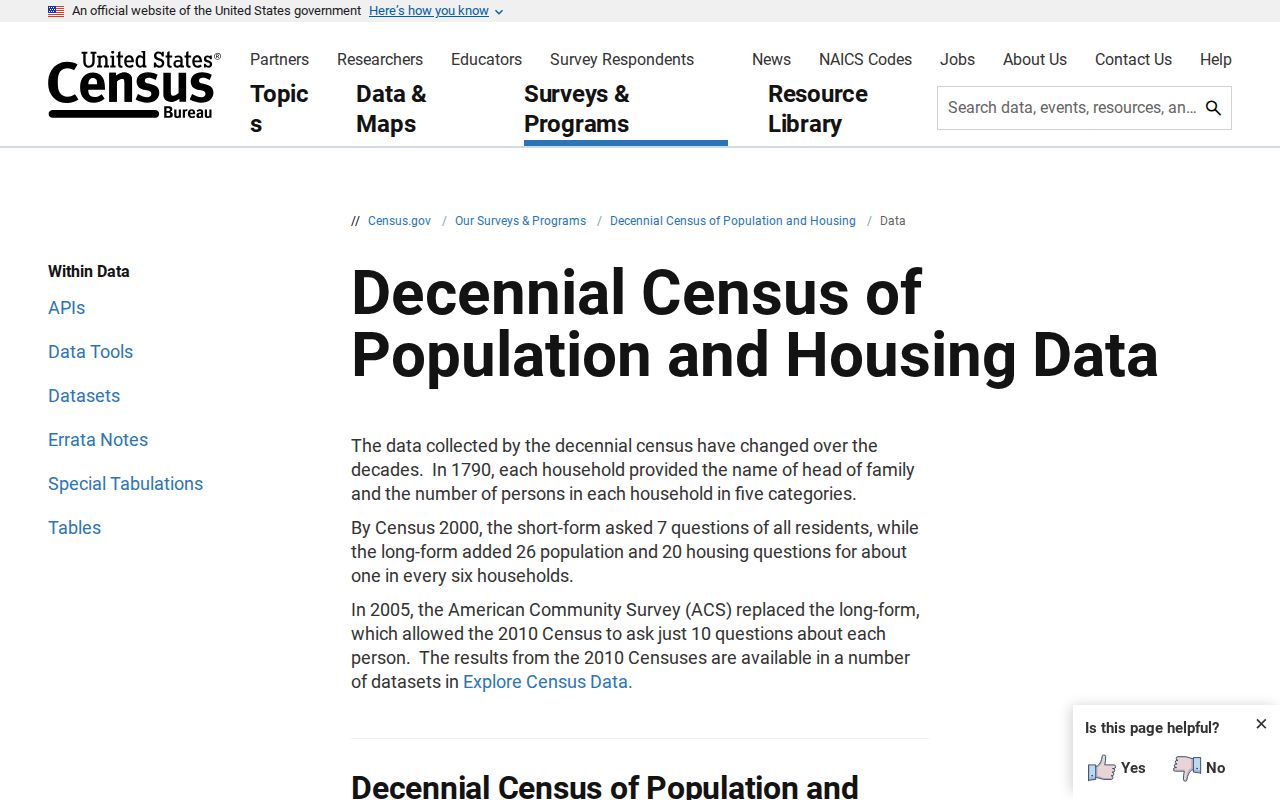
Carbondale sits inside the wider Garfield County picture, yet each ticket still travels its own path. What matters is who issued the citation and which court is printed on it.
Carbondale Traffic Ticket Lookups
Check the issuing authority before you pay or fight a Carbondale ticket. A municipal-code or model-traffic-code citation filed locally stays with the Carbondale record keeper. A Colorado state-law ticket routed to Garfield County Court may carry a T or related lower-court case code. It may also show up on the state hearing calendar. For a routing clue, read the appearance address printed on the citation.
Carbondale posts no current official online instructions for paying or contesting municipal citations. Follow what the citation says. Then confirm the process with the municipal contact. Suppose the stated method treats payment as a resolution. If you plan to contest, do not pay. There is no verified Carbondale municipal fee schedule, so no dollar amount applies here.
For the countywide split, see the Garfield County traffic court record resource. It covers the split between state traffic and the five municipal systems. Still, start with your own Carbondale ticket. It names the proper court.
Carbondale Cases on State Dockets
A Carbondale case number in state court tells you the track. District Court felonies commonly use CR. General civil uses CV. Domestic relations uses DR, probate uses PR, and juvenile cases may use JV. County Court matters can use M for misdemeanor, T for traffic, or C for county civil. S marks small claims. R covers a related lower-court class. Legacy practices vary, so confirm the code on the returned ROA.
Carbondale state cases follow a year-plus-case-family pattern, such as YYYYCR### or YYYYCV#####. A state docket search works well for finding the next Carbondale hearing. It does not give a full case history. When the sequence of filings, minute orders, charges, judgment, or disposition matters, request the ROA instead.
Carbondale municipal ordinance numbers do not need to match those state patterns. Ask the city custodian to search the exact citation number. Do not convert it into a state format.
How Carbondale Cases Reach the County
Carbondale Municipal Court handles the municipal layer. Garfield County Court hears state misdemeanors and state traffic. It also takes small claims, protection orders, and limited civil matters. Felonies, general civil disputes, domestic relations, probate, juvenile matters, and assigned water cases go to Garfield County District Court in the Ninth Judicial District. Where the event happened does not settle the filing location by itself.
Docket flow: Carbondale Municipal Court › Garfield County Court › Garfield County District Court
A Carbondale municipal matter does not routinely move through every step. The chain shows rising jurisdiction. It also points to the next search layer once paperwork names a state court. Municipal appeals turn on the court's status. The governing rules matter too. Carbondale's current court-of-record standing is not verified, so assume no specific appeal path. The Garfield County court docket overview gives the county-level route. It never replaces the Carbondale citation check.
Carbondale Ordinance or State Charge
A Carbondale ordinance is a town law. A state statute is Colorado law. Similar conduct can land in different court files. The cited authority and the issuing agency drive that split. This is why a general name search for Carbondale court records can fail. A case may exist all the same. The searcher may be checking the state calendar for a local ordinance case. Or the searcher may be asking the town about a state case held by Combined Courts.
| Clue | Carbondale municipal matter | Garfield state matter |
|---|---|---|
| Heading | Town or municipal court language | County Court or District Court language |
| Law | Carbondale ordinance or municipal code | Colorado statute |
| Custodian | Current Carbondale municipal record contact | Garfield Combined Courts Clerk |
| Online tool | No verified public case portal | Judicial Branch hearing docket |
These clues steer a Carbondale court record request without assuming every ticket written in Carbondale belongs to municipal court. The cited authority decides where the file lives.
Requesting Carbondale Court Records Directly
Ask the current Carbondale municipal custodian for the narrow record that answers your need. A hearing date, register entry, disposition, or copy of a named order may surface faster than a vague request for the whole file. Supply the citation number, the full name as printed, the issue date, an approximate court date, and a clear description of what you want. Before sending funds, confirm cost, accepted payment, identification rules, and delivery method.
For a Carbondale-related state file, the Colorado Record/Document Request Form can request an ROA or named records. The Garfield local search form also supports email at GCGWSCourt@judicial.state.co.us, mail, or counter requests through the Combined Courts Clerk. Call 970-928-3065 to sort out the correct Carbondale case location, a payment question, or an archive issue. The Glenwood counter sits at 109 8th Street, Suite 104, while assigned County Court service may use the Rifle associate location. Older files can require retrieval at actual cost. A phone call does not replace a formal copy request when the clerk requires one.
Hearing transcripts follow a different channel from clerk documents. The clerk holds the Carbondale-related state ROA and filings; the reporter or recording office keeps the verbatim proceeding.
Who Can See Carbondale Court Records
Access to Carbondale court records depends on which office holds them. Colorado Judicial Branch policy governs most case records. The Colorado Open Records Act covers executive and local public records instead. Even an open case file can hold protected material. Juvenile files, sealed records, suppressed material, adoptions, probate matters, and family cases may be withheld, redacted, or released only to people with authorization. The same goes for personal identifiers inside an otherwise public case. What if a Carbondale case number turns up nothing? That absence proves nothing. It is not evidence of sealing or dismissal. Contact the Carbondale clerk and ask whether the case exists and what the office can release. Only the clerk keeping the original record can certify it.
Key rules:
Chief Justice Directive 05-01 sets the Judicial Branch policy for access to Colorado court records.
Colorado Open Records Act, C.R.S. section 24-72-201 et seq. governs many local government records but is not a substitute for court-record policy.
Colorado Children's Code, Title 19 restricts access to juvenile information and records in defined circumstances.